The evolution of CS cases: from the first CS:GO Weapon Case to modern cases
The evolution of CS cases: from the first CS:GO Weapon Case to modern cases
The evolution of CS cases is one of the most significant phenomena in the history of competitive shooters, radically changing the approach to personalizing in-game content. Greetings to all dedicated esports fans and collectors of virtual art on the pages of the official CSGO-NEWS blog! Today we invite you to embark on a fascinating journey through time. We will recall how the famous Counter-Strike 2 case unboxing mechanic began, how skin styles changed, and what bold innovations led us to the stunning visual diversity we enjoy on new maps today.

The birth of a legend: The Arms Deal Update
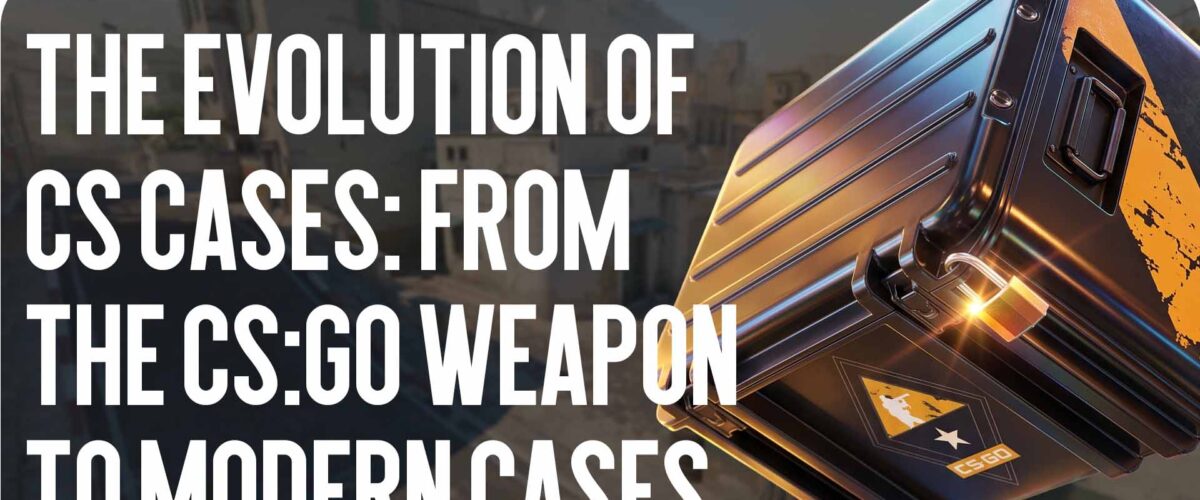
Back in August 2013, an event occurred that divided the game’s history into “before” and “after”. The developers released a massive update, The Arms Deal, which introduced the world to the shooter’s first-ever container — the legendary CS:GO Weapon Case.
Inside were the very first skins. Looking at them now, they might seem quite modest: they were classic, strict, and realistic camouflages. Remember the famous AK-47 | Fire Serpent or AWP | Lightning Strike — back then, they made a real splash in the community. The very first knives appeared in this same set: Bayonet, Karambit, Flip Knife, and Gut Knife. The design of the very first collections had a strong militaristic lean. The weapons looked like they were genuinely used by special forces in real hot spots.
A bit later, Valve added eSports containers. A portion of the proceeds from key purchases went directly into the prize pools of the very first Majors, laying a strong foundation for the development of the professional tournament scene.
The shift to brightness and the Chroma era
As time went on, the evolution of CS cases began to gain unprecedented momentum, offering gamers increasingly bold and unconventional visual solutions. The release of the Chroma series in 2015 became a true aesthetic revolution. The developers clearly caught the community’s mood: players wanted more bright colors, shine, and originality.
These sets introduced completely new, mind-blowing knife finishes for the first time. The famous Doppler, Marble Fade, and Tiger Tooth patterns instantly became an object of desire for every gamer. Later, this success was brilliantly cemented by the Gamma series with its luxurious Emerald shimmers. It was during this period that weapons definitively ceased to be just tools for accurate shooting and turned into a full-fledged means of self-expression on the virtual battlefield.
Arsenal innovations: the arrival of gloves
The next loud and unexpected step in the industry’s development was the release of the original Glove Case. Until this historic moment, the main and only status attribute that made a player stand out was exclusively the knife. But the game’s creators decided to push the boundaries of customization by adding the ability to change the appearance of the character’s hands.
Sport, Driver, Moto Gloves, and Hand Wraps added a colossal layer of uniqueness to creating perfect inventories. Players began enthusiastically matching color combinations: red gloves for a red rifle, blue ones for a sapphire blade. The mechanic of dropping rare items became even more intriguing, and the anticipation of the gold glow in the roulette became even more thrilling.
Community creativity: Steam Workshop
It is impossible to talk about the development of containers without mentioning the huge contribution of independent artists. Valve quickly realized that talents from the Steam Workshop were capable of creating incredible masterpieces that surpassed the base textures. Gradually, the official sets became almost entirely formed from the works of ordinary users.
Thanks to this, cult lineups like Asiimov, Printstream, Neo-Noir, and Bloodsport appeared. Designers learned to use complex optical illusions, add hidden messages (easter eggs) that only appear at maximum paint wear (Float), and implement pearlescent effects. Cases turned into portable exhibitions of modern digital art.
Modernity: new horizons of Source 2
Today, the evolution of CS cases has reached its absolute historical peak thanks to the shooter’s transition to a cutting-edge engine. The new Physically Based Rendering (PBR) lighting system gave even the oldest items a second life. Now, bare metal glares realistically under sun rays, and the glass on sniper scopes reflects the surrounding architecture.
With the release of the first exclusive set for the new era of the game — the Kilowatt Case — we saw yet more major innovations. For the first time in many years, a completely new type of melee weapon was added — the exotic Kukri knife. But the biggest surprise for veterans of the game was the appearance of the first-ever finish for the Zeus x27 stun gun. This clearly proves that the developers do not plan to rest on their laurels and continue to delight the community with fresh, unconventional ideas.
Conclusion from the CSGO-NEWS blog
Summing up our massive historical tour, the CSGO-NEWS team wants to note the main thing: game containers have come a stunning way from simple, dust-covered army camouflages to highly complex works of 3D design. Every new case added is a unique reflection of a distinct era in the development of our favorite shooter, a memory of legendary operations and great tournaments.
Study the rich history of the game, pay attention to the small details that artists lovingly put into their work, and enjoy the stunning graphics quality. Stay with us to always keep up with the hottest events in the esports world and be the first to learn all the secrets of your favorite universe!